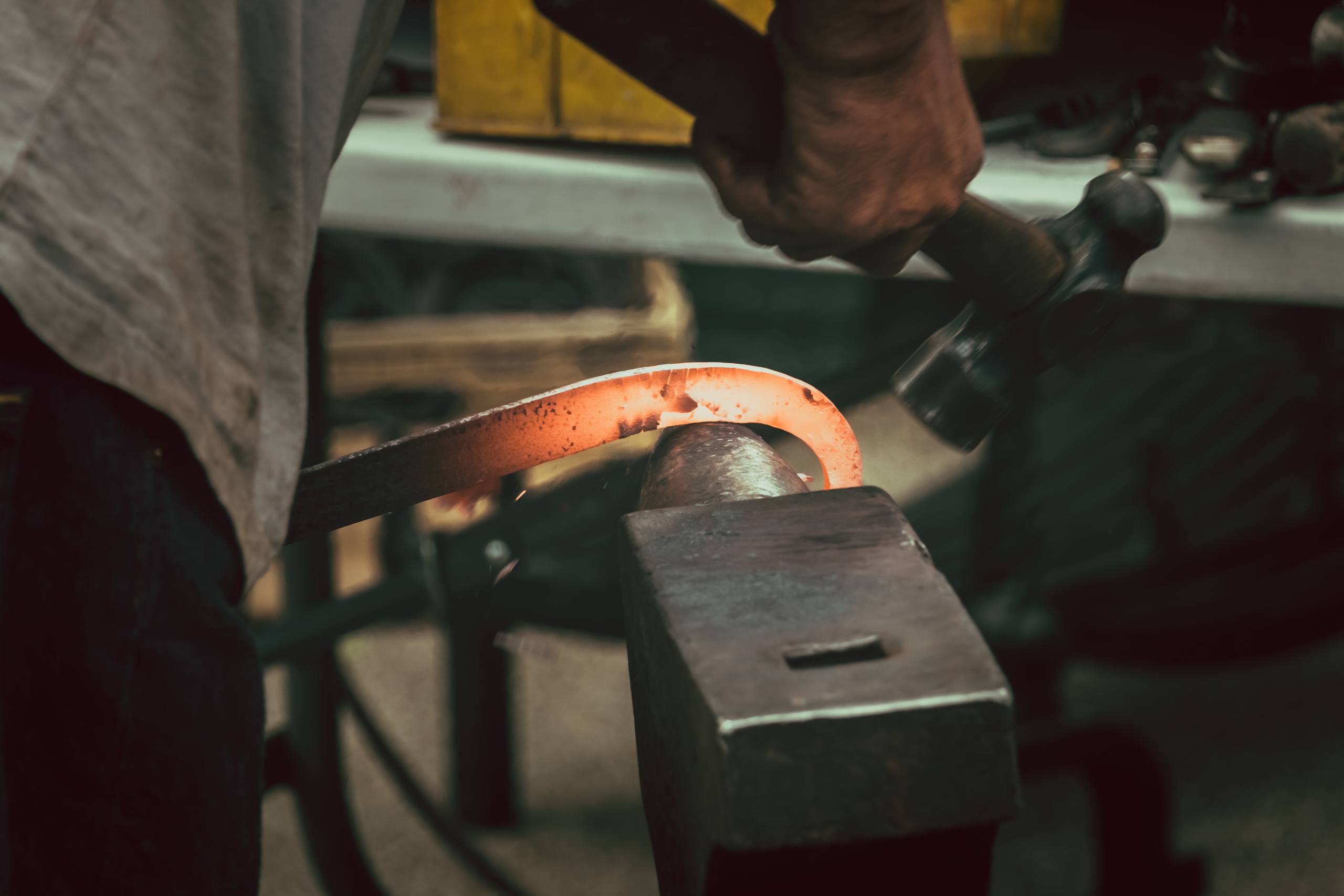
Various metals and alloys are very desirable to work with, as they provide the perfect materials for manufacture of all kinds of crucial parts and products. The qualities of strength, endurance, and resistance are especially appreciated, as they ensure reliability and life-span of the final product. But just as the strength of the materials is beneficial in the end, it’s an obstacle in the manufacturing process. Metals and alloys are hard to cut, bend, and shape, we need advanced techniques and powerful machinery to do the job successfully. Working with metal typically includes melting, which is a shortcut to flawlessly manufactured products with perfect properties. Melting is not easy either, but can be made easier with proper equipment and methods. Induction heating is one of the best options, as it offers a wide selection of benefits and advantages.Induction heating is well known in different areas of industry, as well as in smaller workshops, even among the hobbyists. The basic principle is simple, heat is produced by electromagnetic induction and reaches the required temperature quickly. There is no open flame, which is why induction heating is comparatively safer and generally more comfortable. It’s also faster and very convenient, especially with the right equipment. There are many options to choose from, as induction heating scales easily to match the needs of the industry. It’s possible to melt small batches of maybe grams of material, or melt hundreds of kilograms at once. Working with metal becomes much easier, safer, and more reliable. In the long run, induction heating can set the course for flawless routine of metalworking in every industry.There are many applications where induction heating is definitely the ideal solution. But there are some cases where it is not that suitable. Carefully weigh the pros and cons before making the decision!

 19
JUN
19
JUN